

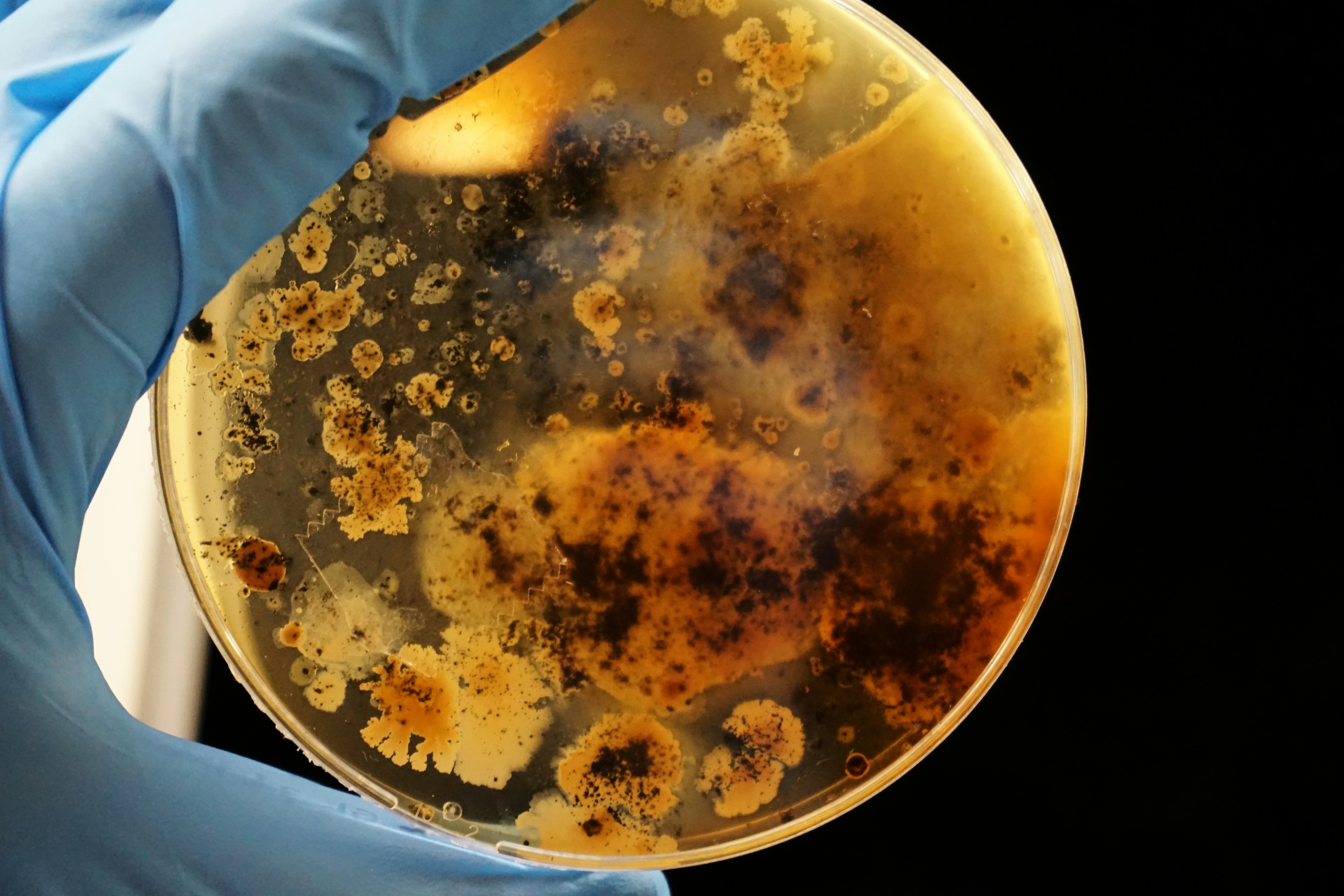
There is a particular kind of homesickness that has nothing to do with people or furniture. It shows up a few weeks after a move, in the gut, as a vague unsettledness that nobody quite wants to name. New water. New air. New bread from a new bakery. We tend to blame stress, or jet lag, or the takeout containers still stacked in a box marked “kitchen.” What we rarely blame is the possibility that we ourselves have changed, at a scale too small to see, because the ecosystem living inside us has started renegotiating its membership with the ecosystem outside our door.
That renegotiation is real, and it happens faster than most people assume. The human microbiome, the collection of bacteria, fungi, viruses and archaea that outnumber our own cells, is not a fixed inheritance handed down like eye color. It is mostly built, continuously, out of exposure. And when exposure changes, so does the community living in and on us, sometimes within days.
How much of it is actually ours
For a long time the working assumption was that microbiome composition, like most biology, was substantially a matter of genetics. Twin studies complicated that picture rather than confirming it. Researchers comparing identical and fraternal twins have found that certain individual microbial taxa are modestly heritable, and a handful, such as the bacterial family Christensenellaceae, show up reliably across cohorts. But the more striking finding, published in Nature by Rothschild and colleagues in 2018, was that genetic ancestry barely predicts microbiome composition at all. People who are genetically unrelated but share a household converge on similar microbial communities, while genetically related people living apart do not. Environment, not lineage, was doing most of the sculpting.
A later and even larger analysis, published in Science by Grieneisen and colleagues in 2021 using a decades-long dataset of wild baboons, found something almost paradoxical: heritability of the microbiome is nearly universal, in the sense that a small genetic signature can be detected almost everywhere researchers look, but the actual size of that genetic contribution is tiny, and it depends heavily on the surrounding ecology and diet. In other words, genes leave a faint fingerprint on which microbes are allowed to flourish, but the environment decides who actually shows up to the party.
This matters enormously for anyone who has ever moved. If the microbiome were mostly written into our DNA, a relocation would barely touch it. Because it is instead assembled largely from exposure, from soil, food, water, other bodies, pets, and the specific mix of organisms living in a particular house in a particular climate, a move is one of the more disruptive events a human microbiome can experience.
The first move any of us makes
Before we ever pack a box, we make the most consequential relocation of our microbial lives: birth. The infant gut, essentially sterile in utero, is seeded within hours by the birth canal or, in a cesarean delivery, by skin and hospital air instead. Breastfeeding, siblings, pets and rural versus urban living all continue shaping that early community for years. The now-famous 1989 observation by the epidemiologist David Strachan, that children with more older siblings had lower rates of hay fever, became the seed of what is known as the hygiene hypothesis, later refined by the immunologist Graham Rook into what he called the “old friends” hypothesis. The idea is not that dirt itself is protective, but that certain microorganisms which coevolved with humans over hundreds of thousands of years are required to properly calibrate the immune system’s regulatory machinery, the part of the body that is supposed to tell the difference between a real threat and a piece of pollen or peanut protein. Remove those organisms from early life, as sanitation, antibiotics, cesarean birth and smaller families have done across the industrialized world, and the immune system can end up undertrained, more prone to overreacting to harmless things.
That framework, built almost entirely around infancy, has quietly expanded in the last decade to include something researchers had not focused on nearly as much: what happens when a fully formed adult immune system and its resident microbiome are relocated wholesale into a new environment.
What actually changes when you move
The clearest evidence comes from immigration research, because immigration is essentially a natural experiment in environmental replacement. A landmark 2018 study in Cell, led by Pajau Vangay and Dan Knights at the University of Minnesota, tracked Hmong and Karen refugees relocating from Thailand to the United States. The results were fast and dramatic: within the first months after arrival, participants began losing native gut bacteria, particularly fiber-fermenting Prevotella species, and acquiring Bacteroides strains typical of American guts. The loss of diversity increased the longer someone had lived in the United States, worsened across generations, and was linked to rising rates of obesity in the same population, a pattern the researchers described as an immediate and ongoing “Westernization” of the gut.
A parallel line of research on the Hispanic Community Health Study/Study of Latinos, published in Genome Biology by Kaplan and colleagues, found much the same thing in a very different population: greater time spent in the United States tracked with reduced microbial diversity and a decline in the bacterial genes responsible for breaking down dietary fiber. A related analysis of the same cohort, published by Wang and colleagues in 2021, again tied U.S. residency length to shifts in specific taxa associated with a more processed, lower-fiber diet.
It is tempting to file all of this under diet alone, since new arrivals in a country are also eating differently. But researchers keep finding that diet does not fully explain the pattern. A 2025 review in Frontiers in Clinical Diabetes and Healthcare, by Fasipe and Laher, lays out the fuller mechanism: migration disrupts circadian rhythm through new work schedules and light exposure, introduces chronic psychosocial stress that activates the body’s cortisol and inflammatory signaling, and reduces physical activity, all of which act on the gut microbiome independently of what shows up on the plate. Moving, in other words, is metabolically and immunologically disruptive in ways that have very little to do with willpower or cuisine.
Altitude offers a cleaner, less confounded version of the same story, because the food supply can stay relatively constant even as the environment changes drastically. A registered clinical trial tracking people relocating to high-altitude Gangcha County in China found measurable shifts in gut bacterial composition within six months of the move, with further changes at twelve months, and partial reversal a month after returning home. The microbiome, it turns out, is listening to elevation, oxygen tension and temperature, not only to the dinner table.
There is a quieter variable in all of this that has received far less research attention than diet or climate: the actual chemical load a person is breathing, drinking and eating, which can shift substantially with an address change and which interacts with the microbiome in ways researchers are only beginning to map. Pesticide exposure is the clearest example. A 2022 biomonitoring study of British twins, published in Environmental Health, found detectable pyrethroid or organophosphate insecticide residues in the urine of every participant tested, with the specific pesticide mix and concentration varying by geographic location, by whether someone lived in a rural or urban area, and by local dietary habits, and higher residue levels were associated with measurable shifts in gut microbial composition and metabolic activity. A separate 2023 study of nearly seven thousand people in the Dutch Microbiome Project found that occupational and regional pesticide exposure tracked with distinct gut microbiome signatures, independent of the general “geography effect” already known to shape the microbiome. Because agricultural practices, permitted pesticide classes, and spraying intensity all vary enormously from one country, state, or even county to the next, a move from a region with heavy orchard or row-crop spraying to one with different agricultural chemistry, or from conventional to organic-leaning food supply chains, plausibly changes this chemical exposure quite a bit more than most people moving house would ever think to ask about.
Drinking water tells a similar story. Municipal water systems disinfect with different agents and different intensities depending on the region, chlorine in some places, chloramine in others, and the resulting disinfection byproducts vary with local water chemistry and even the season. A 2024 randomized controlled trial in infants found that chlorinated tap water increased the carriage of antibiotic-resistance genes in the developing gut microbiome compared with dechlorinated water, and laboratory studies in mice have found that chlorinated drinking water measurably reduces gut microbial diversity, an effect that appears at least partly reversible once exposure stops. None of this means tap water is immediately dangerous; disinfection is what makes water safe to drink in the first place. But it does mean that the water someone showers in and drinks every day is not chemically neutral from one town to the next, and a household that switches from a well to municipal chloraminated water, or from one city’s water utility to another’s, is quietly changing one more input the gut community has to adapt to.
Air itself varies by exactly this kind of underappreciated chemistry. Fine particulate matter, PM2.5, is not a single uniform pollutant; its composition, sulfates in one region, diesel soot in another, agricultural ammonia or wildfire smoke in a third, differs by location and by the dominant local emission sources, and animal studies have repeatedly found that inhaled particulate matter reaches and measurably disrupts the gut microbiome as well as the lungs, reducing microbial richness and altering short-chain fatty acid production. A study of people working an open-air market during a smog event found dozens of new bacterial genera appearing in the human pharynx immediately after heavy PM2.5 exposure, genera traced back to soil, sewage, and other environmental sources that the smog itself appeared to be carrying. Moving from a region with one dominant pollution signature, coastal, agricultural, industrial, wildfire-prone, to a region with an entirely different one is, in this light, a kind of inhaled chemical exposure change that nobody packs into a moving box but that the airway and gut microbiome experience directly.
Taken together, pesticide residue, water disinfection chemistry and airborne particulate composition form a background chemical exposure profile that shifts with almost every relocation, largely independent of the biological exposures already discussed, and current research has only begun to disentangle how much of the microbiome disruption attributed to “moving” is really attributable to the microbes in a new place versus the specific chemical cocktail traveling through the water, food and air of that place.
The house has its own microbiome, too
Here is where the fungal side of the story, often left out of gut-microbiome coverage entirely, becomes essential. Every home has a resident mycobiome, a community of molds and yeasts living in dust, on surfaces and in the air, and it varies enormously by geography. A 2020 analysis of more than three thousand French dwellings found that indoor fungal and bacterial allergen levels tracked climate and land use across the country in consistent geographic gradients, with some organisms increasing from northeast to southwest and others running in the opposite direction. A continental-scale study of hotel rooms across nineteen European and Asian countries, published in mSystems, found that local climate and land use, more than building design, predicted the fungal and bacterial makeup of the dust accumulating over doorframes. Global surveys of outdoor settled dust across thirty-three countries have found the same climate-driven fingerprint at planetary scale.
None of this is trivial to the humans living inside those buildings. A 2022 study of French homes found that low-diversity indoor mycobiomes in early life were associated with a higher later risk of asthma, while children exposed to richer, more diverse fungal communities in the first years of life showed some protection against allergic disease. Perhaps the most vivid demonstration of this comes from a genetically similar but environmentally distinct pair of American farming communities, published in the New England Journal of Medicine in 2016. Amish children in Indiana, who live on small traditional dairy farms in daily contact with animals, had roughly one fifth the rate of asthma of Hutterite children in South Dakota, who live on large, mechanized communal farms with far less direct animal contact. Dust from Amish homes carried nearly seven times the microbial endotoxin of Hutterite dust, and when researchers gave mice extracts of that Amish house dust, it protected them from experimental asthma; Hutterite dust did not. Genetics could not explain the gap. The microbial content of the house could.
Move a person, or a child, from one of these microbial regimes into another, and you are not simply changing their scenery. You are changing the invisible cloud of organisms that trains their immune system every single day.
This raises a specific question worth answering directly: does the style of a modern, Westernized home actually produce more fungal presence than a traditional one, or less? The honest answer is that it depends on which measure you look at, and the two findings pull in opposite directions in an interesting way. On overall diversity, the more insulated and mechanically sealed a home is from the outdoors, the fewer environmental microbes it tends to receive. A widely cited study of hospital patient rooms, published in The ISME Journal, found that mechanically ventilated rooms carried significantly less diverse airborne bacterial communities than window-ventilated rooms breathing in outside air, and a separate study comparing homes across an urbanization gradient in South America found that increasingly urban, increasingly sealed dwellings grew more isolated from outdoor microbial input the more “developed” their construction became. By that measure, tightly built modern homes are actually microbially thinner, not richer, which tracks with the broader finding that Western populations carry less diverse gut and environmental microbiomes than people living in more traditional, open-air dwellings.
But total fungal load, as opposed to diversity, can run the other way, for reasons that have more to do with materials science than biology. Fungi need three things to establish themselves on a surface: spores, which are essentially always present in both indoor and outdoor air, a food source, and moisture. The building materials that define modern Western construction, drywall in particular, along with its paper facing, adhesives, and any accumulated dust, are an unusually good food source for common indoor molds, considerably more digestible to fungi than the stone, lime plaster, or solid masonry that characterized older or more traditional building styles. Layer onto that the airtightness that modern energy-efficient construction prizes, and you get a second problem: a tightly sealed building envelope is excellent at trapping heat and cooling costs, but if its mechanical ventilation is not carefully balanced, it is equally good at trapping the water vapor generated by ordinary showering, cooking, and breathing, which then condenses on the inside of a wall assembly precisely where it cannot easily escape. Building science literature is fairly blunt about this trade-off: airtightness without designed ventilation does not eliminate moisture, it relocates it, often into a wall cavity lined with the very material fungi prefer to eat. The result is a real, if narrower, phenomenon in which a newer, tighter, drywall-heavy home can develop a more concentrated fungal problem in a specific damp location, even while the home as a whole receives less overall microbial diversity from the outside world than a drafty older building or a traditional open-air dwelling would. Thinner exposure and, under the wrong moisture conditions, a hotter localized fungal load are not contradictory; they are simply measuring different things.
Where new intolerances actually come from
This is the part of the conversation people living through a move most want an answer to: why does a food that never bothered you suddenly cause trouble in a new city, a new climate, a new country?
Some of the mechanism is now well understood rather than speculative. Pollen-food allergy syndrome, sometimes called oral allergy syndrome, is a genuinely established phenomenon in which a person who develops a new sensitivity to local pollen, because they have moved somewhere with different trees, grasses or weeds, begins reacting to foods that share structurally similar proteins with that pollen. Birch pollen sensitization, for instance, is well documented to cross-react with apples, hazelnuts, celery and stone fruits, largely because those foods contain a protein that closely resembles the major birch allergen. Clinical reviews note that this pattern varies by region: reactions linked to birch-related proteins are far more common in places where birch trees are part of the landscape than in birch-free regions such as much of Spain, where the same fruits are tolerated differently or trigger different cross-reactive patterns entirely. A person who moves from a birch-sparse region into a birch-heavy one, develops a new pollen sensitivity over a season or two, and then finds themselves suddenly unable to eat a raw apple, is not imagining a new intolerance. They have acquired one, through a documented immunological pathway, simply by changing address.
The gut side of the story is more indirect but converges on the same theme. As Prevotella-rich, fiber-fermenting communities are displaced by Bacteroides-dominant, Western-style ones after a move, researchers have documented a corresponding decline in the bacterial machinery that breaks down complex plant fibers. A gut that has quietly lost the specific enzymes needed to ferment a food is a gut more likely to react to that food with bloating, gas or discomfort, an outcome that looks and feels like a new intolerance even though nothing about the food itself has changed. Separately, the hygiene and old-friends research on food allergy specifically, reviewed extensively in a 2019 National Academies report and in ongoing work on gut dysbiosis and food allergy risk, points to a shared mechanism: a less diverse, disrupted microbial community appears to precede and possibly enable the immune system’s shift toward treating a harmless food protein as a threat. None of this has been proven to explain any single person’s new reaction to shellfish or dairy after a move. But the pieces, taken together, describe a biologically coherent story: change the input, and the output, in the form of what the immune system tolerates, can change with it.
The more speculative territory
Here the science gets genuinely more hypothesis than fact, and it deserves to be labeled that plainly. The gut-brain axis, the bidirectional communication network linking gut microbes to the central nervous system through the vagus nerve, immune signaling and metabolites like short-chain fatty acids, is one of the most active areas in microbiome science, and much of the foundational evidence still comes from mice rather than people. Germ-free mice, raised with no microbiome at all, show altered stress hormone responses and different behavior in anxiety-related tests. Fecal transplants from anxious or depressed human donors into rodents have, in several studies, transferred some of the corresponding behavioral traits to the animals receiving them. A 2025 study, still preliminary, found that mice bred to have naturally higher or lower innate anxiety carried correspondingly distinct gut microbial communities, and that transplanting a “high anxiety” microbiome into a calmer mouse shifted its behavior toward anxiety, along with measurable activity changes in the brain’s fear circuitry.
Whether any of this scales up to something as complex as human personality, mood or temperament shifting after a relocation remains genuinely unknown, and researchers in the field are careful to say so. It is an intriguing, testable hypothesis, not a settled fact, that a person who becomes more anxious, more low-energy, or simply “not themselves” for a few months after a big move might be experiencing something partly downstream of a disrupted gut community rather than purely psychological adjustment. It is equally plausible that the causation runs the other way, with the stress of the move itself altering the microbiome, which is well documented, rather than the microbiome altering the mood. Anyone drawing a straight line from a new zip code to a new personality is getting ahead of the data. But the biological plumbing for that connection to exist is no longer imaginary. It is being actively mapped.
When the new territory is itself unwell
There is a darker version of this whole story that deserves its own chapter, because it is not about a healthy microbiome being traded for a different healthy one. It is about what happens when the environment a person moves into, whether that is a home, a building or a region, is not colonized by a rich, balanced community of organisms at all, but by something thinner, more aggressive, or simply hostile. A move is not always a lateral transfer between two functioning ecosystems. Sometimes it is a move into a vacuum, and vacuums get filled by whatever is strong enough to fill them.
Inside the body, this phenomenon has a name: colonization resistance. A healthy, diverse gut microbiome does not merely coexist peacefully; it actively defends its territory. Resident bacteria compete for nutrients and physical space, produce antimicrobial compounds and short-chain fatty acids that keep the gut environment inhospitable to invaders, and help maintain the low-oxygen conditions that most opportunistic pathogens cannot tolerate. A landmark line of research going back to the 1950s, and elaborated in decades of subsequent work, has shown what happens when that resistance breaks down. Antibiotic treatment is the clearest trigger: broad-spectrum antibiotics do not simply kill a target pathogen, they collapse the surrounding ecosystem, and organisms like Clostridioides difficile, Salmonella, and antibiotic-resistant Enterobacteriaceae expand rapidly into the newly emptied niche, in some cases converting what would have been an unremarkable exposure into a serious, difficult-to-treat infection. The point that matters for anyone thinking about environment and health is this: a “bad” bacterium is very often not a foreign invader at all. It is frequently already present in vanishingly small numbers, quietly waiting for its competitors to disappear.
The same dynamic exists outside the body, in the specific physical spaces we occupy, and it is where the fungal and bacterial threads of this piece meet something closer to public health hazard than lifestyle trivia. Modern plumbing, in particular, has created an entirely new ecological niche that did not exist for most of human history: long runs of metal and plastic pipe, warm stagnant water, and low-flow conditions, all of which happen to be ideal for a specific cast of organisms known as opportunistic premise plumbing pathogens. Researchers who study these systems have documented that Legionella pneumophila, Pseudomonas aeruginosa, Mycobacterium avium, Acinetobacter baumannii and Stenotrophomonas maltophilia are essentially native residents of building water systems, not contaminants that occasionally intrude. They favor exactly the conditions that many buildings, especially newer, more complex, or infrequently used ones, provide by default: warm water sitting still, minimal disinfectant residual, and biofilms lining the interior of pipes. A widely cited 2020 review in Microorganisms by Falkinham describes these organisms as sharing a common survival strategy, forming biofilms, tolerating disinfectants far better than free-floating bacteria, and thriving on the low nutrient levels typical of treated water, which is precisely what lets them persist even in systems that appear, by ordinary standards, to be clean. A 2025 Australian survey of hospital and residential water systems found Pseudomonas aeruginosa in about forty percent of samples and Legionella species in roughly a quarter, with residential buildings showing higher prevalence than hospitals in several categories, a finding that should complicate any assumption that a private home is automatically a safer microbial environment than an institutional one.
Water-damaged buildings add a second layer to this. It is well established that chronic moisture intrusion changes which fungi grow indoors, but researchers studying moisture-damaged materials have also found that these same damp environments regularly harbor free-living amoebae, organisms like Acanthamoeba and Naegleria, living alongside molds such as Aspergillus versicolor and Chaetomium. These amoebae are not incidental. Several species are capable of directly infecting humans, and more importantly, they are known to serve as a kind of biological shelter for bacteria like Legionella, protecting them from disinfectants and allowing them to replicate inside the amoeba itself before being released back into the environment in a hardier, more infectious form. A damp, poorly ventilated building, in other words, is not simply growing “mold.” It can be running a small, self-sustaining incubator for organisms that use fungi and protozoa as stepping stones toward human infection.
This is the piece that connects most directly back to the immune system, and to why “the body will just handle it” is not a reliable assumption. Once these organisms establish themselves as a biofilm, whether in a building’s plumbing, in a chronic wound, or in the airway of someone with an underlying lung condition, they become dramatically harder for the immune system to clear than the same organism floating freely would be. A biofilm is a physical structure: bacteria embedded in a self-produced matrix that acts as a shield, both against antibiotics and against the immune system’s own weapons. Research summarized in a 2025 review in npj Biofilms and Microbiomes describes how neutrophils, the immune system’s first responders, arrive at a biofilm and unleash extracellular traps and reactive oxygen species meant to kill the bacteria, but the biofilm’s matrix blunts much of that attack, while the resulting inflammation damages the surrounding tissue anyway, producing a strange stalemate in which the body cannot clear the infection and cannot stop reacting to it either. Other reviews describe this as a kind of chronic miscoordination between the innate and adaptive immune systems, neither arm able to finish the job, sometimes for years. This is part of why conditions linked to biofilm-forming opportunists, chronic wounds, implant infections, recurrent Legionella exposure, cystic fibrosis lung infections, are notoriously resistant to a course of antibiotics and a period of rest. The organism is not simply present. It has built a fortress.
None of this is meant to induce alarm about ordinary living. Most people move through buildings with imperfect plumbing and imperfect air quality every day without incident, because a functioning immune system, adequate airflow, and reasonable water turnover keep these opportunists in check most of the time. But it does mean that “moving into a healthier environment” is not automatically true just because a new house looks clean or a new region looks scenic. A newly built or newly renovated home can have plumbing biofilms still establishing themselves, exactly the pattern documented in studies of new pipe material, where Legionella species were found to be among the earliest colonizers of freshly installed plumbing rather than a later contaminant. An older, damper building in a humid climate can be hosting a mixed fungal and amoebal community that a drier region simply does not support. And a person arriving into either kind of space with a gut microbiome already thinned by antibiotics, a recent illness, or the disruption of the move itself may be, at that exact moment, less equipped to hold the line against whatever is already colonizing the address they have just moved into.
What to make of all this
None of this argues against moving, obviously, nor does it suggest that a new home is something to fear biologically. Human beings have been relocating, migrating and resettling for as long as we have existed, and the microbiome’s flexibility is arguably a feature rather than a flaw, the same adaptability that let early humans colonize new continents and new diets. But it does argue for a little more patience with the body during a transition, and a little more curiosity about a new intolerance rather than an assumption that it must be permanent or purely psychosomatic. The gut that reacts to the water in a new city, the skin that breaks out in a new climate, the sudden inability to eat a raw peach after a move north, these are not necessarily signs of fragility. They may be closer to jet lag: a real, temporary, biologically explicable process of an old ecosystem meeting a new one and figuring out, cell by cell and microbe by microbe, how to live there.
Selected references and further reading
Rothschild, D. et al. “Environment dominates over host genetics in shaping human gut microbiota.” Nature, 2018.
Grieneisen, L. et al. “Gut microbiome heritability is nearly universal but environmentally contingent.” Science, 2021.
Vangay, P., Johnson, A.J., Ward, T.L. et al. “US Immigration Westernizes the Human Gut Microbiome.” Cell, 2018.
Kaplan, R.C. et al. “Gut microbiome composition in the Hispanic Community Health Study/Study of Latinos is shaped by geographic relocation, environmental factors, and obesity.” Genome Biology, 2019.
Wang, Z. et al. “Microbial co-occurrence complicates associations of gut microbiome with US immigration, dietary intake and obesity.” Genome Biology, 2021.
Fasipe, B. and Laher, I. “Obesity and metabolic disease in migrants: a role for the gut microbiome?” Frontiers in Clinical Diabetes and Healthcare, 2025.
Clinical trial NCT05901896, “Temporal Changes in the Gut Microbiota Before and After Migrating to High Altitude.”
Fouquier, J. et al. “Indoor Microbiome: Quantification of Exposure and Association with Geographical Location, Meteorological Factors, and Land Use in France.” Microorganisms, 2020.
Continental-scale hotel dust study, mSystems, 2020.
Season, Vegetation Proximity and Building Age Shape the Indoor Fungal Communities’ Composition at City-Scale, PMC, 2022 (mycobiome diversity and asthma risk).
Mesnage, R. et al. “Impacts of dietary exposure to pesticides on faecal microbiome metabolism in adult twins.” Environmental Health, 2022.
“Impact of occupational pesticide exposure on the human gut microbiome,” Dutch Microbiome Project/Lifelines Study, Frontiers in Microbiology, 2023.
“Chlorinated Drinking Water Exposure Enriches Antimicrobial Resistance Pathways in the Infant Gut Microbiome: A Randomized Trial,” medRxiv, 2024.
“Exposure to chlorinated drinking water alters the murine fecal microbiota,” PMC, 2024.
“High-Level PM2.5/PM10 Exposure Is Associated With Alterations in the Human Pharyngeal Microbiota Composition,” PMC, 2019.
“The effect of real-ambient PM2.5 exposure on the lung and gut microbiomes and the regulation of Nrf2,” Environmental Toxicology and Pharmacology, 2023.
Kembel, S.T. et al. “Architectural design influences the diversity and structure of the built environment microbiome.” The ISME Journal, 2012.
Ruiz-Calderon, J.F. et al. “Walls talk: Microbial biogeography of homes spanning urbanization.” Science Advances, 2016.
“The changing microbial landscape of Western society: Diet, dwellings and discordance.” Evolution, Medicine, and Public Health (ScienceDirect), 2016.
“The potential importance of the built-environment microbiome and its impact on human health.” PNAS, 2024.
Building Science and Mold, International Association of Certified Indoor Air Consultants; WBDG “Mold and Moisture Dynamics” and “Indoor Air Quality and Mold Prevention of the Building Envelope.”
Stein, M.M. et al. “Innate Immunity and Asthma Risk in Amish and Hutterite Farm Children.” New England Journal of Medicine, 2016.
Strachan, D.P. “Hay fever, hygiene, and household size.” BMJ, 1989.
Rook, G.A.W. “The old friends hypothesis: evolution, immunoregulation and essential microbial inputs.” Frontiers in Allergy, 2023.
National Academies of Sciences, Engineering, and Medicine. Finding a Path to Safety in Food Allergy, 2017 (microbial hypotheses chapter).
Pathogenesis of pollen-food allergy syndrome (oral allergy syndrome), UpToDate clinical review; comprehensive PFAS reviews in Nutrients (2026) and ScienceDirect (2024).
Gut microbiota regulates innate anxiety through neural activity of medial prefrontal cortex in male mice, PMC, 2025.
Margolis, K.G., Cryan, J.F., Mayer, E.A. “The microbiota-gut-brain axis: from motility to mood.” Gastroenterology, 2021.
Khan, I. et al. “Mechanism of the Gut Microbiota Colonization Resistance and Enteric Pathogen Infection.” Frontiers in Cellular and Infection Microbiology, 2021.
Intestinal colonization resistance in the context of environmental, host, and microbial determinants. Cell Host & Microbe, 2024.
Falkinham, J.O. “Living with Legionella and Other Waterborne Pathogens.” Microorganisms, 2020.
Opportunistic premise plumbing pathogens in Australian hospital and residential water systems. Frontiers in Microbiology, 2025.
Dynamics of drinking water biofilm formation associated with Legionella spp. colonization. npj Biofilms and Microbiomes, 2024.
Amoebae and other protozoa in material samples from moisture-damaged buildings. Science of the Total Environment (ScienceDirect), 2004.
Immune system dynamics in response to Pseudomonas aeruginosa biofilms. npj Biofilms and Microbiomes, 2025.
Chronic biofilm-based infections: skewing of the immune response. Pathogens and Disease, 2018.
This piece was written as an editorial synthesis of published, peer-reviewed research for The Location Effect. Sections on mood, personality and the gut-brain axis are explicitly framed as active, unresolved areas of hypothesis rather than established conclusions.